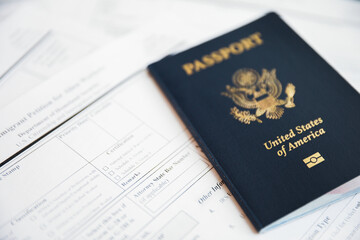
Missing a court date can be frightening and stressful, especially for immigrants who are not citizens of this country. Many people worry that they will be immediately deported or lose their chance to stay in the United States. While it is serious and you should avoid it at all costs, you may still have some legal options if you miss your immigration court date. Continue reading and contact an experienced Astoria immigration lawyer for skilled legal counsel today.
What Happens if I Miss My Immigration Court Date?
If you miss your immigration court date, you could be deported. 8 U.S.C. § 1229a(b)(5) states the following:
“Any alien who, after written notice required under paragraph (1) or (2) of section 1229(a) of this title has been provided to the alien or the alien’s counsel of record, does not attend a proceeding under this section, shall be ordered removed in absentia if the Service establishes by clear, unequivocal, and convincing evidence that the written notice was so provided and that the alien is removable…”
Essentially, if you fail to appear for your scheduled hearing, the immigration judge can order your removal “in absentia,” or in your absence. This means that you may be deported without being present to argue your case.
ICE (Immigration and Customs Enforcement) can issue a bench warrant for your arrest, leading to detention and removal proceedings. Having a deportation order can make it harder to qualify for future legal status.
What Should I Do if I Miss My Hearing?
If you missed your immigration hearing, the first and most important thing you should do is speak with a qualified immigration lawyer. Your lawyer will be able to check the court’s records, verify whether an order of removal was issued, and help determine your next steps.
You should act quickly to file a motion to reopen the case and ask the court to cancel the in absentia order. However, you will be required to provide evidence that your absence was due to special circumstances. The motion must demonstrate one of the following.
- The failure to appear was due to exceptional circumstances;
- The failure to appear was because the alien did not receive proper notice; or
- The failure to appear was because the alien was in federal or state custody, and the failure to appear was through no fault of the alien.
If you are alleging that your absence was based on exceptional circumstances, you have 180 days to file the motion to reopen. If you did not receive proper notice or if you were in custody at the time, the motion can be filed at any time.
Immigration law is complex, so it is crucial that you understand your legal rights and options. Reach out to an experienced attorney for skilled representation during your case.