Divorce can be an emotionally and legally overwhelming process, especially for immigrants whose legal status may be tied to a marriage. Many people worry that terminating a marriage will automatically end their chances of securing a green card or remaining in the United States. However, that is not necessarily the case. Continue reading below to discover whether you can still get a green card even if you divorce your spouse and reach out to an experienced Queens marriage visa lawyer for legal assistance.
What is a Green Card?
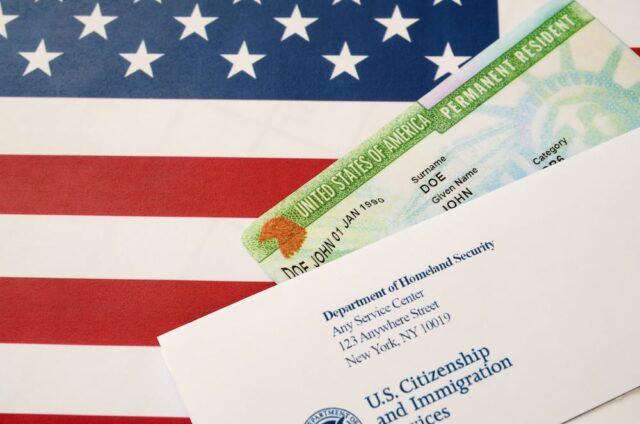
A green card, officially known as a Permanent Resident Card, is an identification document issued by U.S. Citizenship and Immigration Services (USCIS) to immigrants who have been granted lawful permanent resident status in the United States.
Holding a green card signifies that an individual is authorized to live and work permanently anywhere in the U.S. They receive many of the same rights and responsibilities as a U.S. citizen, except for the right to vote in federal elections, serve on a federal jury, or hold certain federal jobs. A green card allows the holder to travel outside the U.S. and re-enter, although lengthy absences can risk the status. After a specified period, typically three or five years, a green card holder may be eligible to apply for U.S. citizenship through naturalization.
One of the most common ways that individuals obtain a green card is by legally marrying a U.S. citizen or lawful permanent resident.
Can I Get a Green Card if I Divorce My Spouse in the U.S.?
Getting a divorce does not automatically cancel your green card application or remove all of your immigration options. The short answer is yes, you can still get a green card, but it depends on the timing of the divorce and the specific immigration category you are pursuing.
If you are already a lawful permanent resident and have the 10-year green card, a divorce will generally not affect your status, as your residency is no longer conditional on the marriage.
However, if you have a Conditional Permanent Resident (CPR) status, which is typically valid for two years, the situation is more complex. You obtained this status through marriage to a U.S. citizen or lawful permanent resident. Normally, you and your spouse must jointly file Form I-751, Petition to Remove Conditions on Residence, within the 90 days before your two-year anniversary.
If you divorce before this joint filing can happen, you must instead file Form I-751 with a Request for a Waiver of the joint filing requirement. The most common grounds for a waiver are that the marriage was entered into in good faith, but the marriage was terminated by divorce or annulment. Other waivers exist for abuse or extreme hardship. To succeed, you must provide substantial evidence that the marriage was genuine, not solely for immigration purposes, despite the divorce.
Immigration law can be complex, so understanding your legal rights and options is crucial to protect your status. Reach out to an experienced lawyer today for more information.