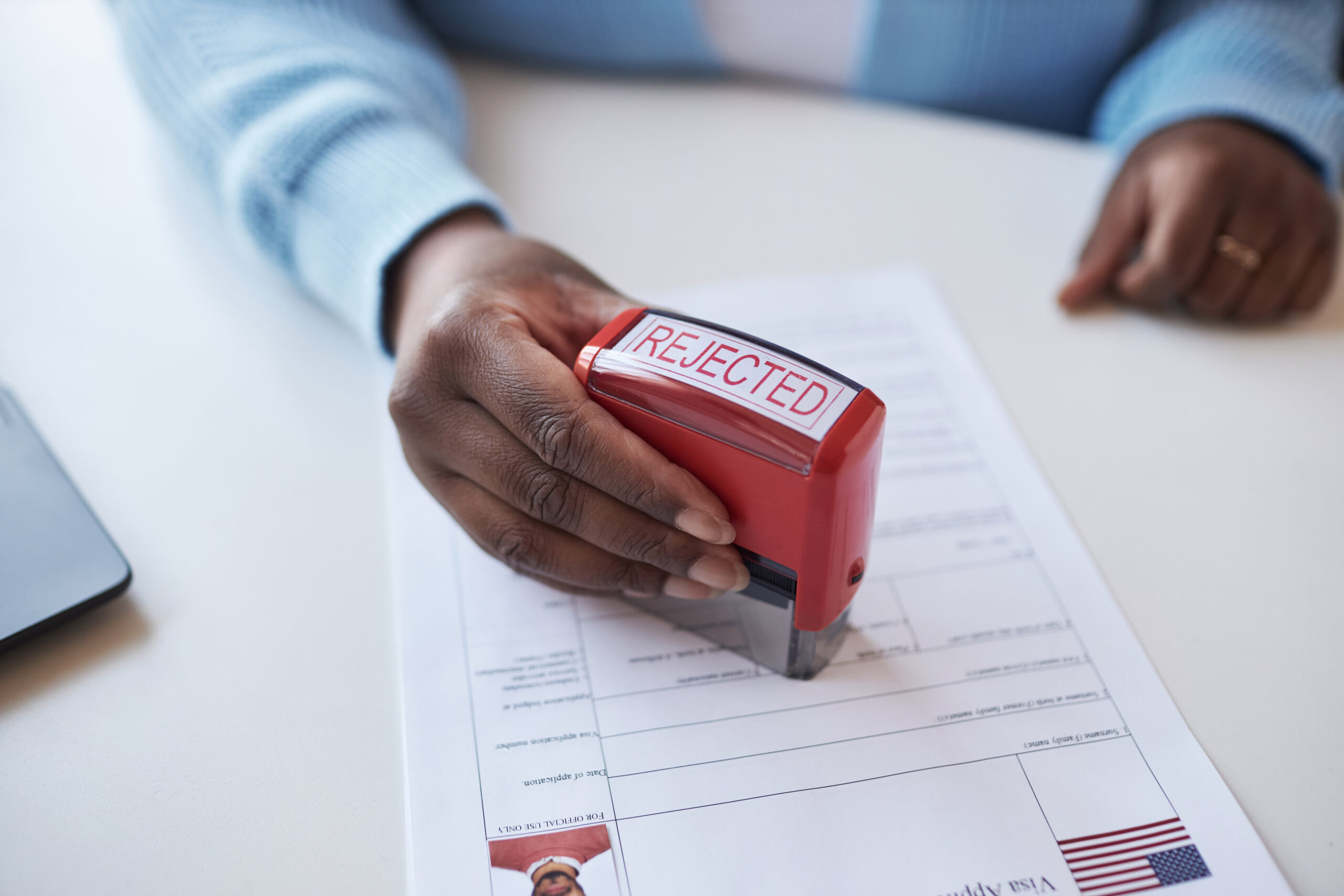
Asylum denials happen all the time in the United States, whether because of insufficient evidence, failure to prove a protected ground, credibility concerns, missed deadlines, or security-related issues. If your asylum application has been denied, understanding what will happen and the courses of action that you can take is crucial to protecting yourself and your future. Continue reading and schedule a consultation with an experienced Astoria immigration lawyer today.
What is Asylum?
In the United States, asylum is a type of protection available to individuals who fear persecution in their home country. The U.S. may grant asylum if the applicant can demonstrate that they have been persecuted in the past or that they have a well-founded fear of future persecution based on one of these protected grounds:
- Race
- Religion
- Nationality
- Political opinion
- Membership in a particular social group
If the applicant is granted asylum, they will receive several important benefits, including the ability to remain legally in the U.S., eligibility to work in the U.S. after a waiting period, protection from deportation or removal, and the right to apply for a green card after a waiting period, typically of one year.
There are two ways to request this protection: affirmative asylum or defensive asylum. Affirmative asylum is filed with the USCIS (United States Citizenship and Immigration Services) by individuals who are issued an authorized stay and are not in deportation proceedings. Defensive asylum is filed as a defense to removal proceedings in immigration court.
What Happens if My Asylum Application is Denied?
If your affirmative asylum application is denied by the USCIS and you are still in lawful status, you will likely receive a Notice of Intent to Deny (NOID). This document acts as a formal warning that your application will be rejected unless you can provide a compelling response addressing the issues or concerns that were found. You must file a response within 16 days (or longer, depending on the mailing method), providing additional information, evidence, or arguments to counter the reasons for denial.
If your affirmative asylum application is denied and you are not in lawful status, your case may be referred to immigration court. There, you can present your case for defensive asylum.
If you applied during removal proceedings and the immigration judge denied you, you may appeal to the Board of Immigration Appeals (BIA). File Form EOIR-26, the Notice of Appeal from a Decision of an Immigration Judge, within 30 days of their decision. The BIA will review your case before making a decision to uphold the denial, reverse the decision, or return the case to the judge.
The asylum process can be complicated, especially after you receive a denial. A knowledgeable attorney can evaluate your situation and help you navigate the appeals process. Reach out to a skilled legal professional today.